What Are the Limitations of Dental Bonding?

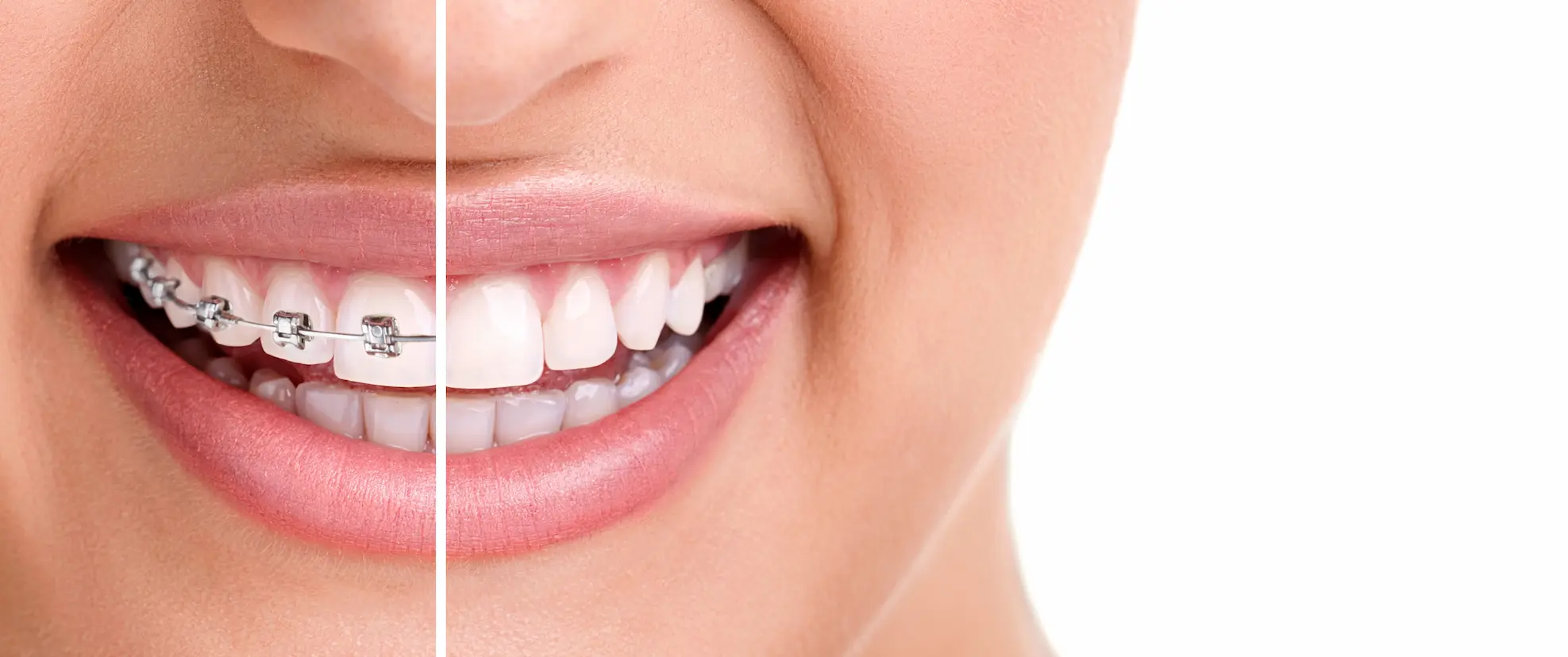
Dental bonding has a well-earned place in cosmetic and restorative dentistry. It is conservative, relatively affordable, and often completed in a single visit. For small chips, worn edges, minor gaps, and discoloration that does not respond well to whitening, bonding can make a dramatic difference with very little removal of natural tooth structure. That combination explains why patients ask for it so often.
Still, Dental Bonding has limits, and those limits matter. In practice, the patients happiest with bonding are usually the ones who understood from the start what it could and could not do. The procedure is not the same as porcelain veneers, and it is not a substitute for crowns, orthodontics, or full rehabilitation when those are truly needed. Bonding can be excellent treatment, but only in the right case, on the right tooth, for the right reason.
The most useful way to understand bonding is to think of it as a highly skilled repair material rather than a permanent, all-purpose upgrade. Composite resin can be shaped beautifully, polished to a lifelike sheen, and bonded directly to enamel. Yet it remains more vulnerable than porcelain and natural enamel in several important ways. Those differences affect longevity, appearance, maintenance, and the kinds of problems bonding can realistically solve.
Why bonding appeals to so many people
Bonding often wins people over because it checks several practical boxes at once. It is usually faster than indirect work, less expensive upfront than veneers or crowns, and gentler on healthy tooth structure. A patient can walk in with a chipped front tooth and walk out an hour later looking normal again. That kind of immediacy is powerful.
It is also one of the most artistic procedures in everyday dentistry. When done well, bonding is not just filling a defect. It involves shade layering, translucency, surface texture, line angles, and light reflection. A good cosmetic bond on a front tooth can be almost invisible. I have seen cases where even close family members could not tell which incisor had been repaired.
That said, the same features that make bonding attractive can lead to unrealistic expectations. Because it is conservative and accessible, some people assume it is a long-term answer for every cosmetic concern. That is where problems begin. The material has strengths, but it also has boundaries.
It does not last as long as many people assume
The first limitation is longevity. Bonding can last years, but it generally does not last as long as porcelain restorations. How long it holds up depends on where it is placed, how large the bonded area is, the patient’s bite, home care, diet, and habits such as nail biting or chewing ice.
A small bond placed to repair a tiny chip on the edge of a front tooth may perform well for quite a while. A larger build-up that changes shape, length, and bite contact has a tougher job. The more force the bonding takes, the more likely it is to stain, dull, chip, or detach over time. In real clinical life, front teeth that look calm and low-risk when the patient is sitting in the chair may actually absorb a surprising amount of stress once that person goes back to talking, clenching, biting into sandwiches, or using the front teeth to tear packaging, which happens more often than patients admit.
Porcelain veneers and crowns are not indestructible, but they tend to resist wear and discoloration better than composite resin. Bonding often needs polishing, repair, or replacement sooner. That does not make it poor treatment. It simply means it is more maintenance-sensitive.
The material is more prone to staining
One of the most common disappointments with bonding is color stability. Composite resin can pick up stains over time, especially in people who drink coffee, tea, red wine, or cola regularly, or who use tobacco in any form. The change is usually gradual. Patients often do not notice it day to day, then one morning they catch a photo in bright natural light and see that the bonded tooth no longer matches its neighbors.
This becomes especially frustrating when someone whitens their natural teeth after bonding has already been placed. Whitening agents do not lighten the resin the way they lighten enamel. The surrounding teeth may brighten, while the bonded area stays where it was. Suddenly a repair that once blended well stands out.
Polishing can improve surface stains, and sometimes a skilled reshaping and refinishing appointment revives older bonding nicely. But internal discoloration or deep staining may require replacement. Patients considering bonding on highly visible teeth should know that color matching is not a one-time issue. It is an ongoing reality.
Bonding is less resistant to chipping and wear
Composite resin is durable for what it is, but it is not as hard or wear-resistant as porcelain. On a front tooth, that matters most along the biting edge. On back teeth, it matters where heavy chewing forces are present. If someone clenches or grinds, even mildly, bonding becomes a higher-maintenance option.
I often think of this in terms of load and leverage. A small repair in a non-stress area behaves very differently from a larger cosmetic addition that lengthens a front tooth. Adding length can look beautiful, but it also places resin at the edge of function, where every bite tests the bond. A patient with a deep overbite, a history of grinding, or uneven front tooth contact may break that edge repeatedly unless the bite is adjusted carefully, and sometimes even then.
This is one reason bonding is not always ideal for extensive smile makeovers, especially when multiple teeth need significant reshaping. It can look excellent at delivery, then begin showing tiny edge fractures or flattening sooner than expected. Patients who want a low-maintenance, longer-lasting cosmetic change may be better served by another option.
It has limits in major shape and alignment changes
Bonding can close small spaces and soften minor irregularities. It can also make a tooth look wider, slightly longer, or more symmetrical. What it cannot do reliably is replace orthodontics when tooth movement is truly needed.
This point comes up often with gaps and crowded front teeth. A person may ask whether bonding can “fix” a smile that is visibly uneven. Sometimes the answer is yes, within reason. A narrow lateral incisor can be widened. A small black triangle can be reduced. A chipped incisal edge can be restored so both front teeth appear more even. Those are good uses of bonding.
But when teeth are significantly rotated, crowded, flared, or out of position, adding material may create bulk rather than beauty. The smile can end up looking thick, overbuilt, or unnatural, even if the shade match is perfect. In those cases, straightening the teeth first often gives a far better result. Bonding works best when it refines a good foundation. It works less well when it is asked to disguise structural or orthodontic problems that remain unchanged underneath.
Moisture control can make or break the result
Bonding is technique-sensitive. That phrase sounds clinical, but its meaning is simple. The success of the procedure depends heavily on precise handling. The tooth must be clean, properly prepared, and well isolated from saliva and moisture during the bonding steps. Shade selection matters. Layering matters. Curing matters. Finishing and polishing matter. Bite adjustment matters.
When everything is done carefully, the result can be excellent. When any part of the process is rushed, compromised, or performed without enough cosmetic judgment, the outcome suffers. The bond may fail earlier, the margins may stain, the anatomy may look flat, or the surface may lose polish quickly.
This is an important limitation because it means Dental Bonding is not just a material choice. It is also an operator-dependent treatment. Two dentists can use composite resin on similar teeth and produce very different results. The procedure may be straightforward on paper, but on visible front teeth, high-level bonding is a blend of restorative dentistry and sculpture.
Large bonding cases often age unevenly
Single-tooth bonding has one maintenance profile. Multi-tooth bonding has another. When bonding is placed across several front teeth for cosmetic improvement, it can look impressive at first and still become difficult to keep looking uniform over time.
Natural teeth do not age identically, and neither do bonded surfaces. One area may stain a bit more. One edge may chip. One tooth may wear differently because of bite contact. A patient may return saying, “Most of it still looks good, but this one corner is bothering me.” That is a common scenario. The challenge is not always catastrophic failure. More often it is gradual mismatch.
Porcelain cases can have their own complications, of course, but composite tends to be more vulnerable to this patchwork aging. If you have six bonded front teeth and one needs touch-up every year or two, the maintenance cycle becomes part of the treatment plan. For some people that is perfectly acceptable. For others, especially busy adults who want a more stable cosmetic result, it becomes tiring.
Surface gloss tends to fade faster than porcelain
One detail patients notice more than they expect is shine. Freshly finished bonding can look smooth and glossy, almost like enamel. Over time, however, that luster often softens. Tiny surface scratches from brushing, food abrasion, or everyday use can make the material appear slightly duller.
This matters because teeth do not just need the right color. They need the right way of reflecting light. A front tooth with good shape but low surface gloss can look less natural than a slightly imperfect tooth with better optical quality. In cosmetic dentistry, those subtleties count.
A maintenance polish can improve the appearance, but it does not change the fact that composite is more likely to lose its original finish than porcelain. Anyone choosing bonding for visible teeth should be prepared for occasional maintenance if aesthetics are a priority.
It may not be ideal for people with heavy bite forces
Bite forces are https://melvinspark773.gumroad.com/p/how-dental-bonding-works-step-by-step often underestimated. Many patients say they do not grind because they do not hear themselves grinding. Then you examine the teeth and see flattened edges, craze lines, cupping, or muscle tenderness. Bonding placed into that environment has a shorter runway.
The problem is not only nighttime grinding. Daytime clenching is incredibly common, especially in people under chronic stress. They may sit at a desk for hours with their back teeth touching or with the jaw braced. Over months and years, that pattern puts restorations under repeated force.
If a patient has a strong bite, a deep overbite, or visible wear, bonding can still be used, but the conversation should be candid. Protective night guards may be recommended. The design may need to be more conservative. In some cases, another material or another treatment altogether is smarter. The limitation here is not the bonding alone. It is the relationship between the material and the way that person functions.
Bonding cannot solve underlying decay or structural weakness by itself
Sometimes people view bonding as a cosmetic cover. If a tooth has decay, a crack, a failing old filling, or substantial loss of structure, simply adding composite for appearance does not address the actual problem. A tooth can look better and still be biomechanically compromised.
This is where the distinction between cosmetic and restorative judgment matters. A small chip on a healthy tooth is one thing. A tooth with repeated fractures, a large old filling, and thin remaining walls is another. In the second case, bonding may be possible, but it may not be the most predictable treatment. A veneer might not be enough either. Sometimes the tooth needs more protection, not just better shape.
The same applies to discoloration caused by internal damage, old trauma, or root canal treatment. Bonding may mask some color changes, but the optical challenge can be significant. Opaque materials can block dark underlying color, yet too much opacity makes a tooth look flat and artificial. There is a limit to how naturally composite can camouflage severe discoloration.
Repairs are easy, but repeated repairs have a cost
One advantage of bonding is reparability. Unlike porcelain, which often requires remaking if it fractures significantly, composite can usually be added to or repaired directly. That is a real benefit. For younger patients especially, it can be the most conservative path.
But easy repair should not be mistaken for no downside. Every repair adds complexity. Color matching older composite becomes harder. Surface texture may differ. Margins may become more noticeable over time. A tooth that has been bonded, patched, polished, and re-patched over many years may eventually reach a point where replacement makes more sense than another touch-up.
From the patient perspective, this can feel confusing. They were told bonding was simple, then find themselves returning periodically for small corrections. The visits may be short and less costly than remaking porcelain, but they still involve time, expense, and attention. That is the trade-off. Bonding often starts easier, yet it can ask more of the patient later.
There are aesthetic limits in very demanding cosmetic cases
For small and moderate cosmetic improvements, bonding can be excellent. For highly demanding smile design cases, especially where symmetry, translucency, and stain resistance need to remain stable over many years, composite can fall short compared with well-made porcelain.
Porcelain has optical properties that often hold their beauty longer. It resists staining better, maintains surface luster more effectively, and can deliver a very refined balance of depth and brightness. That does not mean porcelain always looks better. Poorly designed porcelain can look artificial, and skill matters tremendously in both materials. But if a patient wants a dramatic transformation with maximal longevity and minimal maintenance, bonding may not be the strongest long-term choice.
A useful real-world example is the patient preparing for a major public-facing role, frequent photography, or media work. Small touch-ups may not bother one person at all, but another may care deeply about tiny changes in edge translucency or surface gloss under studio lighting. In that setting, the limitations of composite show more quickly.
Cost is lower upfront, not always over the long run
Bonding is often presented as the budget-friendly option, and initially that is true. The starting cost is usually lower than veneers or crowns because there is no lab fabrication and less time, preparation, and material expense involved.
The long-term financial picture is more nuanced. If a bonded tooth needs periodic refinishing, repair, or replacement, those visits accumulate. Over several years, repeated maintenance can narrow the cost gap. That does not automatically make porcelain cheaper overall, but it does mean upfront savings should be weighed against probable maintenance.
This is one of those conversations that benefits from honesty rather than sales language. If a patient wants the most conservative and affordable immediate solution, bonding may be ideal. If they want the fewest future touch-ups and are willing to invest more now, another route may be better. Neither choice is inherently right for everyone.
Who tends to be a good candidate despite these limitations
The best bonding candidates are usually people with localized cosmetic concerns, healthy enamel, reasonable bite patterns, and realistic expectations. They understand that composite is a serviceable, attractive material, not a forever material. They are willing to maintain it, protect it, and refresh it when needed.
Teenagers and young adults often fit this profile well, particularly after minor trauma or orthodontic treatment. If a central incisor chips on a basketball court, bonding is often the obvious first choice. It preserves tooth structure and can be revisited later if the situation changes. Adults with one or two isolated aesthetic concerns can also do very well, especially when the smile is otherwise harmonious.
Where patients run into trouble is when they want bonding to do too much while expecting the maintenance pattern of porcelain or untouched enamel. The more ambitious the change, the more important material choice becomes.
Questions worth asking before choosing bonding
If you are considering Dental Bonding, the most productive consultation is not the one where you ask, “Can this be done?” It is the one where you ask, “How will this age in my mouth?”
A thoughtful discussion should cover how much force the tooth takes, whether your habits increase fracture risk, how close the color match can be, whether whitening should happen first, and what maintenance is realistic over the next several years. It should also include alternatives. A dentist who is confident in bonding should still be willing to explain when a veneer, orthodontic treatment, contouring, or even no treatment at all might serve you better.
Patients appreciate straightforward language here. For example, “This will look good, but you may chip it if you bite into crusty bread with that tooth,” is more useful than a polished but vague promise. So is, “If we close that gap only with bonding, the teeth may start to look too wide.” Good treatment planning depends on those specifics.
What these limitations really mean
The limitations of dental bonding do not make it second-rate. They make it selective. It is one of the most useful tools in dentistry precisely because it can be conservative, artistic, and efficient. But like any tool, it performs best within its range.
The key issues are durability, stain resistance, wear, maintenance, and scope. Bonding can handle minor to moderate problems beautifully. It struggles more when asked to withstand heavy functional stress, maintain a pristine finish for many years without touch-up, or compensate for problems that really call for tooth movement or stronger restorative support.
For many patients, that is still more than enough. A carefully placed bond can restore confidence, preserve enamel, and solve a very visible problem in a single appointment. That is valuable treatment. The decision becomes much easier when you see bonding clearly, not as a universal fix, but as a smart option with known boundaries.
When those boundaries line up with the patient’s goals, bonding is often an excellent choice. When they do not, recognizing the limitation early is what protects both the result and the relationship.
Toothworks of Bakersfield, Dentist and Orthodontist
Address: 1030 H St #1, Bakersfield, CA 93304
Phone number: +16613239421
FAQ About Dental Bonding
How long does dental bonding last?
Dental bonding typically lasts between 3 and 10 years (averaging about 5 to 8 years) before it needs a touch-up or replacement. Its lifespan depends heavily on your daily habits, where the bonding is placed in your mouth, and how well you care for your teeth.
How expensive is bonding a tooth?
Dental bonding typically costs between $100 and $600 per tooth, with a national average of about $431 per tooth.
What are the downsides of dental bonding?
Dental bonding has several drawbacks, including lower durability, a shorter lifespan, and a tendency to stain compared to alternatives like porcelain veneers.