Gum Disease Treatment for Deep Infections Below the Gumline
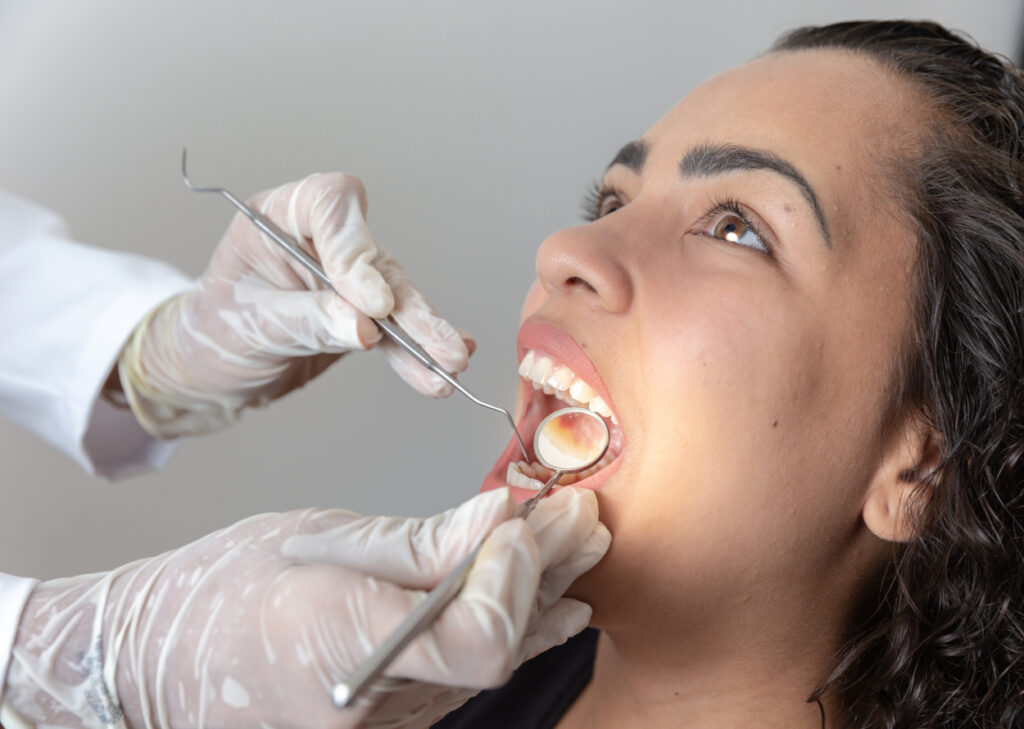

Deep gum infections rarely start with dramatic symptoms. More often, they build quietly, a little bleeding when brushing, a persistent bad taste, gums that seem tender in one spot and then settle down for a week. By the time the infection has moved below the gumline and created deeper periodontal pockets, the problem is no longer a matter of simple gingivitis. At that point, treatment has to reach into areas that a toothbrush and floss cannot reliably clean.
This is where Gum Disease Treatment becomes more than a routine dental cleaning. Deep infections below the gumline involve bacteria, inflamed soft tissue, and often some degree of bone loss around the teeth. Managing them well requires precision, patience, and a realistic understanding of what can and cannot be reversed. The goal is not only to stop pain or bleeding in the short term. It is to stabilize the gums, reduce bacterial load, preserve bone where possible, and give the patient a practical way to maintain those results.
What “below the gumline” really means
Healthy gums fit around the teeth with a shallow natural space, often called a sulcus. When plaque remains undisturbed, the bacterial biofilm matures and irritates the gum tissue. At first, the gums become redder, puffier, and more likely to bleed. If the inflammation continues, the attachment between the gum and the tooth can begin to break down. That shallow space deepens into a periodontal pocket.
Once a pocket forms, the environment changes. Oxygen levels drop, making the area favorable for more destructive bacteria. Calculus, also called tartar, often forms on the root surface under the gums. The root is rougher than enamel, so deposits can cling tightly. The deeper the pocket, the harder it is for the patient to disrupt the biofilm at home. This is why deep gum infections below the gumline tend to persist and worsen unless they are professionally treated.
The difficult truth is that people can have moderate or even advanced periodontal disease with surprisingly little discomfort. I have seen patients come in because a crown felt slightly loose, only to discover deep pockets around several teeth. Others were concerned mainly about bad breath and did not realize the odor was coming from infection under the gums. Gum disease is often less painful than people expect, which is one reason it can progress so far before treatment begins.
How dentists and periodontists identify a deep infection
The diagnosis starts with measurement, not guesswork. A periodontal probe is used to measure the depth of the spaces around each tooth. Shallow readings are generally easier to maintain. Deeper readings, especially where there is bleeding, pus, gum recession, or tooth mobility, suggest a more serious problem. X rays help reveal bone loss, deposits below the gumline, and defects in the supporting structures.
A thorough exam also looks at the pattern of disease. Is the infection generalized across the mouth, or isolated to a few teeth? Is there heavy calculus? Are there furcation areas, where the roots of back teeth split, making cleaning far more difficult? Is the patient a smoker? Do they clench or grind? Is diabetes controlled? These details matter because they influence both treatment choices and prognosis.
One of the most useful conversations in periodontal care is the honest one about salvageability. Not every tooth with deep infection should automatically be saved at any cost. Some can be stabilized for many years with the right treatment and maintenance. Others have so much attachment loss, mobility, or root anatomy complexity that repeated treatment may deliver https://tituslgip400.bearsfanteamshop.com/the-importance-of-timely-gum-disease-treatment little benefit. Good care involves judgment, not just technique.
The first line of Gum Disease Treatment
For most deep infections below the gumline, initial treatment is non surgical periodontal therapy, commonly called scaling and root planing. Patients sometimes describe it as a “deep cleaning,” but that phrase can make it sound optional or cosmetic. In reality, it is a targeted debridement of infected root surfaces and periodontal pockets.
The purpose is straightforward. The clinician removes plaque, bacterial toxins, and calculus from beneath the gums and smooths contaminated root surfaces enough to make it easier for the tissue to heal and reattach. This is done with ultrasonic instruments, hand scalers, or a combination of both. Local anesthetic is often necessary, especially in deeper areas. Treatment may be completed in sections over two or four visits, depending on the amount of disease and the patient’s tolerance.
When scaling and root planing is done well, the changes over the next few weeks can be significant. Bleeding often drops quickly. Swelling improves. The gums tighten somewhat around the teeth. Pocket depths may reduce because the tissue is less inflamed and easier to keep clean. That said, non surgical treatment is not magic. If there has been bone loss, the bone does not simply grow back because tartar was removed. The aim is to arrest the infection and improve the environment enough to maintain stability.
A common misconception is that one deep cleaning solves the issue permanently. In practice, response varies. Some patients do very well after initial treatment, especially if the disease is caught before severe structural loss. Others improve but still have a few stubborn sites, often around molars or older dental work with difficult margins. Those areas may require additional local therapy or surgery.
What the appointment feels like, and what recovery is like
Patients are often more anxious about scaling and root planing than they need to be. With adequate numbing, discomfort during treatment is usually manageable. What people notice most is pressure, water, vibration, and the sensation of instruments reaching beneath the gums. Afterward, the teeth may feel cleaner but also temporarily more sensitive, especially to cold.
Mild soreness is common for a day or two. The gums may bleed a little when brushing that evening. If there was substantial inflammation before treatment, patients are often surprised by how quickly the mouth feels fresher once the infected deposits are gone. In some cases, recession becomes more noticeable afterward. That can be unsettling, but it is often the result of swollen tissue shrinking back to a healthier contour, not damage caused by the treatment itself.
A practical point that matters: the roots exposed by gum recession are more sensitive than enamel. Fluoride products, desensitizing toothpaste, and gentler brushing technique can make a substantial difference over the next several weeks.
When antibiotics help, and when they do not
Antibiotics have a role in selected periodontal cases, but they are not a substitute for mechanical cleaning. The bacterial communities involved in gum disease live in biofilm, and biofilm is notoriously resistant to antibiotics alone. If calculus and plaque remain attached under the gums, medication by itself usually produces only temporary improvement.
That said, antibiotics may be appropriate when there is acute swelling, drainage, systemic symptoms, or specific aggressive patterns of disease. In some practices, localized antibiotic agents are placed directly into persistent deep pockets after debridement. These can be useful in carefully chosen sites, particularly when surgery is not ideal or when only a small number of pockets remain active.
Overprescribing antibiotics for periodontal disease is poor care. It exposes patients to side effects, alters normal flora, and contributes to resistance. The better question is not, “Can I get antibiotics for my gums?” It is, “Has the source of the infection below the gumline been physically removed as thoroughly as possible?”
When surgery becomes the right next step
If deep pockets remain after non surgical Gum Disease Treatment, periodontal surgery may be recommended. This is not a failure of the first phase. Often, it is the planned second step for anatomy that cannot be managed predictably with closed instrumentation alone.
Periodontal flap surgery allows direct access to the root surfaces and underlying bone. The gum tissue is reflected carefully so the clinician can see what is happening under the surface, remove residual deposits, and reshape or treat the area as needed. In some defects, regenerative procedures may be considered. These can include bone graft materials, membranes, or biologic agents designed to encourage more favorable healing in carefully selected sites.
The best surgical candidates are not simply those with deep pockets. They are patients with sites that remain inflamed despite solid initial therapy, with enough strategic value and structural potential to justify the intervention. A back molar with severe furcation involvement, poor access, and ongoing smoking is a different situation from a front tooth with an isolated vertical defect in a highly motivated patient. The treatment may look similar on paper, but the long term odds are not the same.
Signs that the infection is more advanced than it seems
Some symptoms deserve urgent attention because they suggest the disease has moved beyond mild gingivitis and into deeper periodontal involvement.
- Bleeding that happens often, especially during normal brushing or eating
- Persistent bad breath or a bad taste that returns soon after cleaning
- Gums that pull away from the teeth, making them look longer
- Loose teeth, shifting bite, or spaces opening between teeth
- Swelling, drainage, or tenderness concentrated around one area
Any one of these can appear for reasons other than periodontal disease, but together they often point to infection below the gumline. The earlier those signs are evaluated, the more conservative the treatment can usually be.
Why some areas do not respond as well as others
Periodontal disease is not evenly distributed. Two teeth in the same mouth can behave very differently. Root anatomy plays a major role. Molars, especially upper molars, have complex root shapes and furcation areas that make deep cleaning more demanding. Crowded teeth can limit access. Overhanging fillings or poorly contoured crowns can trap plaque and chronically inflame the gums. A tooth with a crack or hidden decay near the root may also mimic or worsen periodontal breakdown.
Patient factors matter just as much. Smoking is one of the strongest predictors of poorer healing. Smokers often show less obvious gum bleeding, which can hide the severity of disease during daily life, but the tissue response to treatment is generally weaker. Uncontrolled diabetes also increases inflammation and impairs healing. Dry mouth, whether from medication or systemic illness, can make plaque control more difficult. Stress and grinding are not direct causes of gum disease, but they can worsen the overall picture by overloading already compromised teeth.
I have seen excellent results in patients with deep pockets who committed to meticulous home care and maintenance visits every three to four months. I have also seen expensive therapy fail because the daily biofilm control never improved. The mouth cannot stay healthy when the bacteria are allowed to reorganize and mature day after day.
Home care after professional treatment
The period after treatment is where the long game begins. Clinical therapy can reduce the bacterial burden dramatically, but it cannot brush for the patient at night. Home care does not need to be elaborate, but it does need to be consistent and gentle enough that the patient will actually maintain it.
A practical routine usually includes the following:
- Brushing twice a day with a soft brush, paying close attention to the gumline
- Cleaning between the teeth daily with floss, interdental brushes, or both, depending on the spaces
- Using products recommended for sensitivity or plaque control when needed
- Avoiding tobacco, especially during healing
- Returning for periodontal maintenance on schedule, often every three to four months rather than every six
Interdental brushes are often underused and extremely effective, especially where gum recession has created small triangular spaces. For many adults with a history of periodontitis, they clean more predictably than floss in selected areas. The best home care tool is the one that matches the anatomy and that the patient can use thoroughly without frustration.
Maintenance is treatment, not an optional extra
One of the biggest misunderstandings in periodontal care is the idea that once the deep cleaning or surgery is complete, the patient can simply go back to routine six month cleanings forever. Deep gum infections change the risk profile of the mouth. A patient who has had periodontitis remains more susceptible to recurrence than someone who has never lost periodontal attachment.
Periodontal maintenance visits are designed for that reality. These appointments are more focused than standard prophylaxis. They include reassessment of pocket depths, targeted cleaning below the gumline where needed, monitoring of mobility and bleeding, and reinforcement of home care based on what is actually happening in the mouth. The timing depends on the patient, but three to four months is common because the bacterial biofilm becomes more pathogenic over time if left undisturbed.
Patients sometimes resist frequent maintenance because their mouth “feels fine.” That feeling can be misleading. Periodontal disease often relapses quietly. By the time teeth feel loose or abscesses form, the setback is harder and more expensive to manage.
Can bone and gum tissue grow back?
This is one of the most important questions, and the answer requires nuance. Inflamed gum tissue can heal, tighten, and become healthier after proper treatment. Some pocket reduction occurs because swelling decreases and tissue adapts more closely to the tooth. In certain carefully selected bony defects, regenerative treatment may restore some lost support. But generalized, severe bone loss does not simply reverse in a broad, predictable way.
That does not mean treatment is futile. Stabilization matters enormously. A tooth does not need perfect support to remain functional for years. Many patients keep compromised teeth comfortably and successfully when infection is controlled and maintenance is consistent. The aim is often to convert an active destructive disease into a stable, manageable condition.
The key is setting expectations correctly. If the gums have receded, they may not return to their previous height without grafting, and even grafting has limits. If a tooth is already quite mobile, reducing infection may help, but it may not make the tooth feel exactly like it did years ago. Honest expectations produce better decisions and far less disappointment.
Cost, timing, and why delaying often raises both
Treating periodontal disease early is almost always simpler than treating it late. Initial non surgical therapy may involve a few visits, some local anesthetic, and follow up measurements. If the disease is ignored, the next stages can include surgery, splinting of mobile teeth, replacement of teeth that cannot be saved, bone grafting, and restorative work to rebuild function. The financial difference can be substantial, but so can the biological cost.
There is also a timing issue many people miss. Periodontal disease does not damage only the gums. As teeth drift, loosen, or extrude, the bite changes. That can complicate future crowns, bridges, implants, or dentures. What starts as a cleaning problem can become an orthodontic, surgical, and restorative problem.
The role of the specialist
General dentists manage many periodontal cases well, especially in earlier stages or when the disease responds predictably to initial treatment. A periodontist becomes especially valuable when the pockets are deep, the anatomy is complicated, surgery is likely, or the diagnosis overlaps with implant issues, mucogingival defects, or unexplained tooth mobility.
Referral is not a sign that something has gone wrong. It is often a sign that the clinician is matching the complexity of the disease to the right level of expertise. In the best cases, the general dentist and periodontist work as a team, with one focused on overall oral care and restoration, and the other on stabilizing the supporting tissues.
What patients often notice after successful treatment
When deep gum infections are brought under control, the changes are usually practical rather than dramatic. Bleeding decreases. The mouth tastes cleaner. Morning breath improves. Tender spots settle down. Chewing feels more secure. Follow up measurements show fewer deep bleeding pockets. Even patients who initially sought help for cosmetic reasons often end up most grateful for the sense that their mouth is stable again.
That stability is the real objective of Gum Disease Treatment. Not a perfect before and after photo, not the illusion that the disease never happened, but a healthy enough environment that teeth and gums can function comfortably over time. Deep infections below the gumline demand respect because they involve structures patients cannot see and cannot clean on their own. With timely diagnosis, thorough treatment, and disciplined maintenance, many of those infections can be controlled before they cost the patient teeth.
The best outcomes rarely depend on a single dramatic procedure. They come from careful measurements, sound judgment, precise cleaning or surgery where needed, and the daily habits that keep the bacterial challenge from rebuilding. That is what turns periodontal treatment from a temporary fix into real disease control.
Avra Dental
Address: 1708 S Victoria Ave B, Ventura, CA 93003
Phone number: +18057653206
FAQ About Gum Disease Treatment
Can I make my gums healthy again?
Yes, you can make early-stage gum disease completely healthy again, but advanced damage requires professional care to manage.
Can you cure gum disease?
You can cure early-stage gum disease, but advanced gum disease cannot be fully cured.
Can I live a normal life with gum disease?
Yes, you can live a normal life with gum disease, but it requires active, lifelong management to control the condition and prevent serious complications